Adorable Cute Bird: A Designer's Business Review
As an embroidery designer who has spent years translating digital files into tangible brand assets, I approach every new design with a critical eye. When I first opened the file for Adorable Cute Bird, my immediate goal was not just to see if it looked pretty, but to determine if it could withstand the rigors of commercial production. For small business owners, Etsy sellers, and merch creators, the difference between a hobbyist decoration and a professional brand asset often lies in the details. This review breaks down how this specific machine embroidery design performs when moved from a screen to real-world merchandise like patches, uniforms, and branded goods.
First Impressions: Visual Personality and Brand Fit
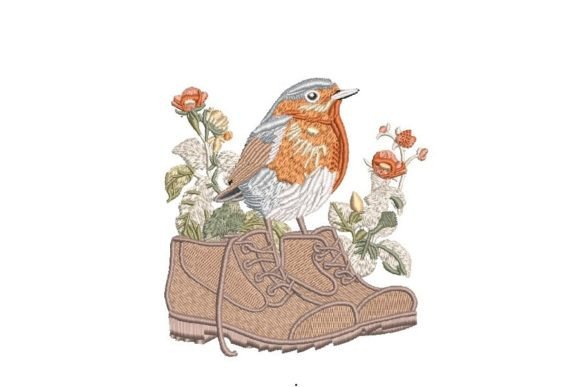
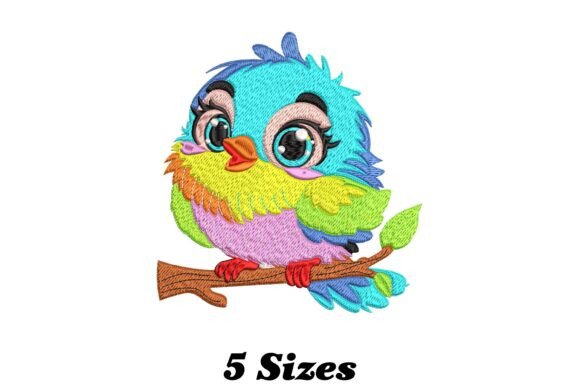
The initial visual impact of Adorable Cute Bird is undeniably whimsical. In the crowded marketplace of custom apparel, designs that evoke charm and friendliness stand out immediately. This design does not scream corporate; instead, it whispers warmth. For businesses operating in sectors like bakeries, florists, boutique cafes, or handmade craft studios, this aesthetic is a goldmine. It suggests a brand identity that is accessible, local, and caring.
However, the question remains: does it look premium? The answer depends entirely on execution. The lines appear clean, which is essential for maintaining professionalism. If you are looking for a rustic or vintage vibe, this design fits perfectly. If your brand leans towards ultra-modern minimalism, you might need to adjust the thread colors to match. The design feels balanced, offering enough detail to be interesting without becoming visually cluttered. This balance is crucial for brand recognition. A logo or accent mark must be memorable at a glance, whether it is on a tote bag design or a staff apron.
Performance in Real-World Business Applications
When evaluating a digital embroidery file for commercial use, I always simulate its application across various products. Here is how Adorable Cute Bird translates into specific business scenarios:
- Embroidered Patches: This design is an excellent candidate for woven or embroidered patches. Its defined silhouette allows it to pop against denim jackets, canvas backpacks, or as a detachable badge for event merchandise. The whimsical nature makes it perfect for customer gifts or loyalty rewards.
- Staff Uniforms and Aprons: For a café or boutique, placing this design on the chest pocket of a work shirt or the bib of an apron creates a welcoming atmosphere. It softens the look of standard uniforms, making staff appear more approachable to customers.
- Cap Embroidery: Caps are a high-value item for branding. Because the bird is compact, it works well on the front panel of a baseball cap. However, care must be taken with the curvature of the cap to ensure the stitches lay flat.
- Tote Bags and Home Goods: As mentioned in the product description, this design is delightful on towels and pillows. For a retail shop selling handmade products, stitching this onto organic cotton tote bags adds significant perceived value to the finished product.
- Product Packaging Accents: Imagine a small fabric tag attached to a jar of honey or a box of artisanal soaps. Using Adorable Cute Bird here elevates the unboxing experience, reinforcing the handmade quality of your brand.
Critical Considerations for Production Success
While the potential is high, there are specific areas where this design requires careful handling to avoid production headaches. As a professional, I advise testing before committing to a full run.
Size and Detail Constraints
One of the biggest risks with cute, detailed characters is shrinking them too much. If you attempt to use Adorable Cute Bird as a tiny sleeve detail or a small patch under 1 inch, the stitch density may become too high. This can lead to puckering on lightweight fabrics or cause the design to lose its definition. Always check the minimum recommended size in your digital embroidery file instructions. If the design becomes too dense, the texture of the fabric may get buried, ruining the drape of a garment.
Fabric Texture and Stabilizer Needs
The success of any commercial embroidery project hinges on the relationship between the thread and the fabric. On textured fabrics like terry cloth (for towels) or heavy canvas (for tote bags), the needle must penetrate deeply. You will likely need a heavier stabilizer to prevent the fabric from shifting during the stitching process. Without proper stabilization, even a beautiful design can end up distorted. Always test on a scrap piece of the actual material you intend to use.
Color Contrast and Visibility
Thread colors play a massive role in brand identity. While the default colorway might be vibrant, consider how it looks on dark uniforms. A light-colored bird on a black background requires a different backing strategy than one on white. Ensure there is sufficient contrast so the design is legible from a distance. Poor contrast can make a brand look amateurish rather than charming.
Strategic Implementation for Brand Growth
Incorporating Adorable Cute Bird into your design assets goes beyond simple decoration; it is a strategic move for customer engagement. Consistency is key. If you use this bird on your website mockups, your social media graphics, and your physical merchandise, you create a cohesive visual language. This consistency builds trust. Customers begin to associate that specific image with the quality of your service or product.
For Etsy sellers and crafters, using a unique machine embroidery design helps differentiate your items from mass-produced competitors. It signals that you put thought into every detail. When a customer receives a tote bag with a professionally stitched, high-quality bird emblem, they perceive the entire brand as higher value. This perception allows for better pricing power and fosters brand loyalty.
Designer's Checklist Before Production
Before you hit "start" on your embroidery machine for a large order, follow these practical steps to ensure the best results:
- Test in Black and White: Run a test stitch in a single color to check the structure, spacing, and jump stitches. This reveals any issues with the pathing before you waste expensive colored threads.
- Verify Hoop Size: Confirm that the design fits comfortably within your hoop with enough room for the frame to move without hitting the edge. Overcrowding the hoop leads to registration errors.
- Check Licensing: Ensure you have the correct commercial license for the digital embroidery file. Using a design for business without permission can lead to legal trouble. Verify that the license covers the number of items you plan to produce.
- Create Printable Mockups: Show clients or stakeholders a realistic mockup of the design on the final product. This manages expectations and ensures everyone agrees on the placement and scale.
- Compare with Other Assets: Place the design next to your existing logos or other design assets. Does it clash? Does it complement? It should feel like part of the same family.
In conclusion, Adorable Cute Bird is a versatile asset for small business merch and custom apparel. It offers a friendly face for brands that want to connect emotionally with their audience. By respecting the technical limitations of embroidery and applying sound design principles, you can transform this cute motif into a powerful tool for brand recognition and customer delight. Whether it ends up on a cap, an apron, or a home pillow, the key is precision and planning. Treat every stitch as an investment in your brand's reputation.