Butterfly Eye Embroidery Design Review
As a designer who has spent years navigating the delicate balance between artistic vision and machine limitations, I approach every new machine embroidery design with a critical eye. The goal is never just to see if it looks good on a screen, but to determine how it will translate into a tangible, high-quality finished product. Recently, I evaluated the Butterfly Eye, a design categorized under Bugs that promises to add mystique and whimsy to various fabric projects. Before committing this motif to any client work or small shop inventory, I needed to understand its practical application, stitch behavior, and commercial potential.
First Impressions: Mood and Visual Personality
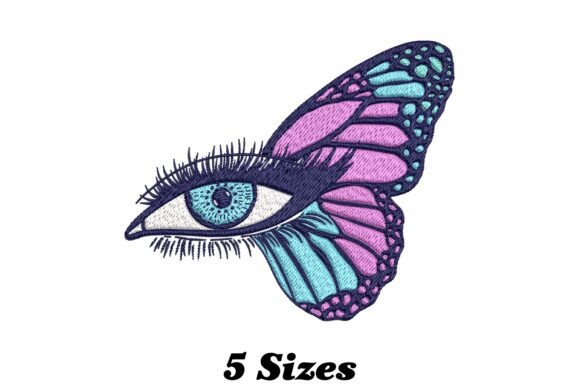
At first glance, the Butterfly Eye stands out for its unique fusion of organic form and surreal detail. Unlike standard floral motifs or generic insect shapes, this design carries an air of mystery. The visual personality is distinct; it feels like a talisman rather than mere decoration. For an Etsy seller or boutique owner looking to differentiate their brand, this kind of character is invaluable. It immediately suggests a narrative, inviting the viewer to look closer.
The layout appears balanced, avoiding the common pitfall of being top-heavy or lopsided. However, the true test lies in the execution of the details. Does the "eye" within the butterfly hold up under scrutiny? In my initial assessment, the contrast between the wings and the central focal point creates a strong visual anchor. This makes it an excellent candidate for custom apparel where a single, striking image can define the entire garment. The design feels versatile enough to be playful yet sophisticated enough for adult wear, bridging the gap between whimsical nursery decor and edgy streetwear.
Real-World Application: From Tote Bags to Sweatshirts
To truly judge the Butterfly Eye, I imagined it in a real-life scenario: preparing a limited run of canvas tote bags for a local craft fair. Tote bags are a staple for the craft business, but they require designs that stand up to frequent handling and washing. When I mentally placed the Butterfly Eye on a natural cotton tote, the earthy tones of the bag complemented the mystical vibe of the design perfectly.
I also considered using this embroidery file for sweatshirt embroidery. A large, centered placement on the back of a heavy-weight hoodie would make a bold statement. The design's complexity suggests it would benefit from the density provided by a fill stitch, while the outlines could utilize a satin stitch to create definition. For personalized gifts, such as a baby blanket or a custom apron, the whimsical nature of the Butterfly Eye adds a layer of thoughtfulness that mass-produced items lack. It transforms a simple item into a curated piece, increasing the perceived value for the buyer.
For those selling digital product assets, this design serves as a strong example of a motif that works well in printable mockups. Its distinct shape allows customers to visualize the final result easily, which is crucial for driving sales in a competitive digital marketplace. Whether used as an embroidered patch on denim jackets or as a subtle accent on a pillow cover, the design maintains its integrity across different scales.
Navigating Technical Challenges and Fabric Constraints
While the aesthetic appeal is high, practical application requires careful planning. As with any intricate embroidery project, there are specific areas where caution is advised. If you plan to use the Butterfly Eye on thin fabrics like silk or lightweight linen, the stitch density might cause puckering. In these cases, using a tear-away or cut-away stabilizer is non-negotiable. The weight of the thread and the tension of the machine must be calibrated to prevent the fabric from distorting around the detailed eye area.
Another consideration is the hoop size. While the design is likely scalable, shrinking it too much for a cap or a small pocket could result in lost detail. The fine lines defining the "eye" might blur if the stitches become too crowded. Conversely, stretching the design too large without adjusting the stitch count could lead to gaps in the fill areas. Always check the recommended dimensions before starting your commercial embroidery run.
Dark fabrics present another challenge. To ensure the thread colors pop against a black or navy background, you may need to adjust the underlay or increase the number of layers. A white underlay often helps brighten the colors, making the Butterfly Eye appear more vibrant. Additionally, textured fabrics like fleece or towels can sometimes hide fine details. On a kitchen towel, for instance, the pile of the fabric might soften the sharp edges of the design, giving it a softer, more rustic look. This isn't necessarily bad, but it changes the intended mood from crisp and mysterious to cozy and folk-inspired.
Professional Standards and Designer Notes
Before integrating the Butterfly Eye into your portfolio or shop, adhere to these professional standards. First, always test the design on scrap fabric that matches your final project material. This allows you to inspect the running stitch quality and ensure there are no bird nests or thread breaks. Second, review the stitch density in your software. If the design feels too dense, consider reducing the number of passes to improve drape and flexibility.
Color contrast is key. Test the design in black and white mockups to ensure the silhouette remains recognizable even without color. This is particularly important for small shop products where customers rely on photos to make purchasing decisions. Furthermore, confirm the licensing terms. If you are a digital product seller or creating items for resale, ensure you have the right to sell finished goods made with this embroidery file. Misunderstanding license agreements can jeopardize your handmade product business.
Finally, think about brand consistency. Does the Butterfly Eye align with the rest of your collection? If your brand focuses on minimalist aesthetics, this intricate design might feel out of place unless used sparingly as an accent. However, for brands focusing on fantasy, nature, or bohemian styles, it fits seamlessly. By carefully considering these factors, you ensure that the Butterfly Eye enhances your work rather than complicating it.
Final Verdict on Commercial Viability
In conclusion, the Butterfly Eye is a compelling addition to any designer's library. Its ability to evoke a sense of wonder makes it a strong contender for holiday embroidery collections, personalized baby items, and unique home décor. While it requires attention to detail regarding stabilizers, fabric choice, and hoop sizing, the payoff in terms of customer engagement and product uniqueness is significant. For the experienced maker willing to take the time to perfect the setup, this design offers a pathway to creating memorable, high-value items that stand out in a crowded market.