Reviewing Mallard Duck Head for Boutique Sweatshirts
As an embroidery designer who has spent years curating collections for small clothing brands and Etsy sellers, I approach every new digital file with a critical eye. Today, I am reviewing the Mallard Duck Head machine embroidery design to see if it holds up for a premium sweatshirt drop. The product description promises a "charming update" and a "fun and quirky flair," but in the world of commercial apparel, charm must translate into stitch quality and visual impact. This evaluation is for boutique brand owners, handmade business owners, and creative entrepreneurs looking to elevate their custom apparel line.
First Impressions: Mood and Layout Analysis
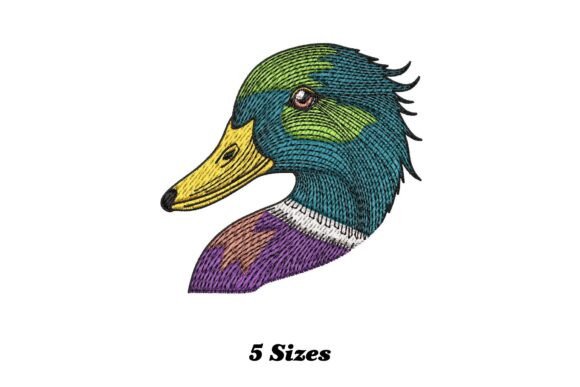
When I first opened the Mallard Duck Head file in my digitizing software, the layout immediately suggested a playful yet rustic aesthetic. For a small shop product line focused on seasonal cozy wear, this mood is essential. The design does not feel overly ornate or stiff; instead, it carries a whimsical energy that fits perfectly with the current trend of nature-inspired streetwear. The silhouette appears clean, which is crucial when scaling down for sleeve accents or keeping it bold for chest placements.
The detail level strikes a balance between decorative and minimal. It avoids the trap of being too intricate for a thick fabric like fleece, while still offering enough texture to look like a high-end handmade product. For a boutique brand aiming for visual recognition, this design offers a strong focal point without overwhelming the garment. It feels less like a generic logo and more like a curated art piece, which can significantly boost buyer trust and perceived value.
Application Strategy for Sweatshirt Embroidery
Testing how Mallard Duck Head translates from a digital screen to a physical hoodie design is where the real work begins. I envision this piece working exceptionally well on neutral sweatshirts. Imagine a heather grey or oatmeal-colored oversized hoodie; the natural tones of the duck would pop beautifully against such a backdrop. The design's inherent quirkiness adds a layer of personality that plain text logos simply cannot achieve.
For dark fabric applications, such as charcoal or forest green, the thread colors will need careful selection. A standard black outline might get lost, so utilizing a contrasting white or cream satin stitch border could enhance readability. On pastel colors, specifically sage or blush pink, the Mallard Duck Head brings a delightful contrast that feels feminine yet bold. This versatility makes it a valuable asset for any digital seller looking to expand their inventory across different colorways without needing multiple design variations.
Chest Placement vs. Sleeve Accents
Placement is key to selling a finished product. On a standard crewneck or pullover, centering the design on the left chest creates a classic, understated look suitable for everyday wear. However, given the quirky nature of the Birds category, I strongly recommend testing a larger scale placement on the back or front center for a statement piece. For an oversized hoodie, a large back print transforms the garment into a lifestyle staple, perfect for social media photography and Etsy listings.
Sleeve accents are another excellent option. A smaller version of the Mallard Duck Head on the cuff or upper arm adds a subtle touch of branding that customers love to discover. This approach works well for building brand identity without dominating the entire garment. Whether you are creating a limited drop or a permanent collection, the flexibility of this embroidery file allows for diverse styling options.
Technical Considerations for Commercial Use
Before committing to a production run, every professional must address practical concerns regarding stitch density and fabric texture. Sweatshirts have a unique pile that can sometimes swallow fine details. The Mallard Duck Head appears robust enough to handle this, but you must verify the stitch count in your specific embroidery file. If the density is too low, the fabric may show through, ruining the premium look. Conversely, if it is too dense, the design might pucker or become stiff, affecting the comfort of the custom apparel.
Stabilizer choice is non-negotiable here. For heavy cotton fleece or French terry, a cut-away stabilizer is essential to support the weight of the stitches and ensure washing durability. Without proper stabilization, even the most beautiful design can distort after the first wash, leading to negative reviews for your handmade business. Always test hoop placement on a sample swatch to ensure the tension is correct before running a full batch.
Thread Colors and Contrast
The magic of this design lies in the thread colors. To maximize the "fun and quirky flair" mentioned in the description, consider using variegated threads or metallic accents for the beak or eyes. These small touches elevate the finished product from a simple craft to a luxury item. However, remember that high-contrast combinations are vital for small-size readability. If you plan to use this as a small logo, ensure the primary colors stand out sharply against the background fabric.
Boosting Brand Identity and Sales
Integrating Mallard Duck Head into your catalog can do more than just add a pattern; it can define your brand voice. For an Etsy seller or a small online shop, having unique design assets helps differentiate your store from mass-market competitors. When customers see a high-quality mockup preview of this embroidery on a cozy seasonal sweater, they are more likely to engage and purchase. The design suggests a brand that values creativity and attention to detail.
Furthermore, the versatility of this machine embroidery design means you can create printable mockups quickly to showcase various scenarios. Show it on a model wearing a coffee-stained mug, or styled with a scarf, to tell a story. This narrative approach increases customer engagement and helps buyers visualize the product in their own lives. A well-executed embroidery project builds long-term loyalty, as customers associate the quality of the stitching with the reliability of your boutique brand.
Final Verdict for Designers and Entrepreneurs
In conclusion, the Mallard Duck Head presents a compelling opportunity for those specializing in custom apparel and home decor. Its blend of rustic charm and modern playfulness makes it ideal for the current market trends. However, success depends on execution. Always check the specific file details, including hoop size requirements and recommended thread types, before starting production. Do not assume the default settings will work for your specific fabric thickness.
If you are ready to launch a new collection, this design offers the perfect balance of artistic flair and commercial viability. It is strong enough for commercial embroidery yet delicate enough to feel personal and handmade. By paying attention to stabilizers, thread contrast, and placement, you can turn this digital file into a best-selling item that defines your brand's identity. Whether for a holiday drop or a spring refresh, the Mallard Duck Head is a worthy addition to any designer's toolkit.