Wicked Design: A Pro Review for Small Business Merch
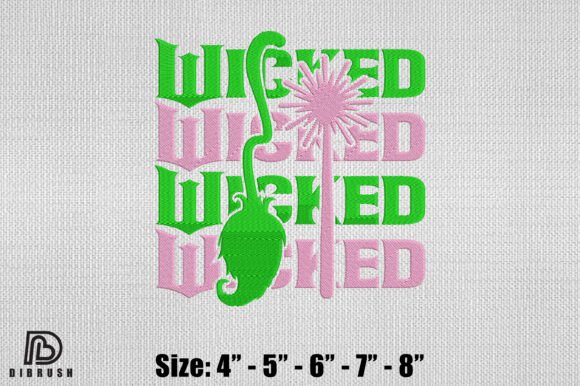
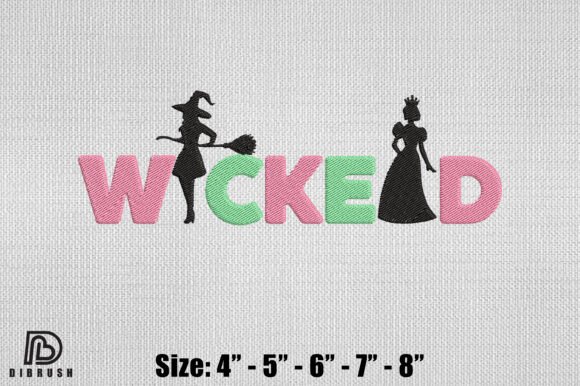
As an embroidery designer who has spent years translating digital files into tangible brand assets, I approach every new machine embroidery design with a critical eye. My focus is never just on aesthetics; it is on viability. Can this design survive the wash cycle? Does it scale down to a cap without losing definition? Most importantly, does it elevate the perceived value of a small business product? Today, I am reviewing the Wicked Design, a Halloween-themed creation that promises uniqueness and a masterful intertwining of art and craft skills. For boutique owners, Etsy sellers, and apparel decorators looking to capitalize on the seasonal market or establish a bold year-round identity, this review breaks down whether this digital embroidery file is ready for commercial production.
First Impressions: Art Meets Craft in a Standout File
The moment you load the Wicked Design into your digitizing software, the intent becomes clear. This is not a generic clip-art conversion. The description highlights its ability to demonstrate craft skills, and visually, the design thrives on uniqueness. It feels less like a standard holiday decoration and more like a premium badge of identity. For a handmade brand or a creative studio, this distinction is vital. In the crowded marketplace of seasonal merchandise, customers are increasingly drawn to items that feel curated rather than mass-produced. The Wicked Design offers that artisanal edge, blending spooky allure with professional execution.
From a branding perspective, the visual personality is bold yet controlled. It avoids the trap of being overly chaotic, which is common in Halloween graphics. Instead, it presents a cohesive image that suggests quality. If you are running a local café, a pet brand, or a florist shop looking to release limited-edition seasonal gear, this design carries the weight of a high-end custom apparel piece. It signals to your customer that your business values detail and artistic integrity.
Real-World Application: From Patches to Uniforms
When evaluating a digital embroidery file for small business merch, I always simulate various use cases before committing to bulk production. Here is how the Wicked Design performs across different commercial applications:
- Embroidered Patches: This is where the design truly shines. The intricate details mentioned in the description translate well to patch production. You can create high-quality iron-on or sew-on patches to sell as standalone collectibles or to attach to denim jackets and tote bags. The "standout" nature of the artwork ensures these patches catch the eye immediately on a retail rack.
- Staff Uniforms and Apron Embroidery: For a bakery or boutique hosting a Halloween event, adding this design to staff aprons creates instant team cohesion. However, because the design is detailed, it works best as a chest logo accent or a sleeve detail rather than a massive back print. It adds a playful yet professional touch to work shirts without overwhelming the uniform.
- Cap Embroidery: Placing the Wicked Design on a cap front requires careful consideration of size. The unique elements of the design hold up well on curved surfaces if scaled correctly. It transforms a standard baseball cap into a sought-after accessory for customers or event giveaways.
- Tote Bag Design: Totes are a staple for eco-conscious brands. Using this embroidery file on canvas totes elevates them from simple grocery carriers to branded fashion statements. The texture of the thread against the fabric enhances the tactile experience of the finished product.
- Product Packaging Accents: Consider using a smaller version of this design on fabric tags or labels for handmade products. It serves as a subtle nod to your brand's creativity, reinforcing brand identity with every purchase.
Critical Considerations: Where Caution is Required
While the Wicked Design is impressive, no embroidery file is universally perfect without adjustment. As a designer, I must advise caution in specific scenarios to ensure the longevity and quality of your merchandise.
Small Patch Sizes and Tiny Lettering: If your design includes text alongside the graphic, be wary of shrinking it too much. Intricate outlines and fine details can blur together at very small scales, leading to a muddy appearance. Always test the smallest intended size before cutting fabric.
Stitch Density and Fabric Texture: The description notes the design demonstrates craft skills, which often implies higher stitch density. On thick or highly textured fabrics like heavy wool or terry cloth, high density can cause puckering. You may need to adjust your stabilizer choice or slightly reduce the fill density to maintain a flat, professional finish.
Dark Uniforms and Thread Colors: To make the Wicked Design pop on dark uniforms or black caps, you will likely need a backing layer of underlay or a lighter base color. Without proper contrast, the unique details might get lost in the darkness of the garment. Always review thread colors against your specific fabric swatch.
Frequent Washing: Items like aprons and work shirts undergo rigorous washing cycles. Ensure the hoop size used during stitching allows for tight, secure stitching. Loose threads or weak anchors can unravel quickly, damaging the reputation of your small business.
Impact on Brand Identity and Customer Trust
In the world of commercial embroidery, the quality of your design directly correlates to customer trust. When a client sees a crisp, well-executed Wicked Design on a tote bag or a cap, they perceive the brand behind it as competent and attentive to detail. Conversely, a poorly executed design with pulled threads or misaligned elements can cheapen even the most expensive apparel.
This design asset offers a unique opportunity to boost buyer engagement. By offering limited-run merchandise featuring such a distinctive file, you create a sense of exclusivity. Whether it is a special edition apron for your loyal customers or a branded patch for your online store, the visual consistency provided by a high-quality digital embroidery file strengthens your overall brand narrative. It moves your business from simply selling goods to selling an aesthetic and an experience.
Practical Designer Notes for Production Success
Before you send the Wicked Design to your machine for a full run, follow these essential steps to guarantee a flawless result:
- Test in Black and White First: Run a test stitch using a single color to check the structure, spacing, and potential pull issues without wasting thread.
- Verify Hoop Size: Confirm that the design fits comfortably within your hoop with enough room for the needle to move freely without hitting the frame.
- Select the Right Stabilizer: Given the potential complexity, use a cut-away stabilizer for stretchy fabrics or a tear-away for stable cottons to prevent distortion.
- Create a Printable Mockup: Before producing physical stock, generate a digital mockup to show clients or stakeholders how the design looks on the final item. This manages expectations effectively.
- Check Commercial Licensing: Ensure you have the appropriate rights to use this file for profit. Even if the design is beautiful, using it without a commercial license can lead to legal issues for your business.
- Compare with Other Assets: Place the design beside your existing logo and other design assets to ensure it aligns with your visual identity standards.
The Wicked Design is a powerful tool for any small business owner or decorator looking to add flair to their product line. By respecting its technical requirements and leveraging its artistic strengths, you can create merchandise that not only sells but also tells a story of quality and creativity. Whether for a seasonal burst of sales or a permanent addition to your brand library, this embroidery file proves that art and commerce can indeed thrive together.