Flower Dark Pink: A Designer’s Review for Real Projects
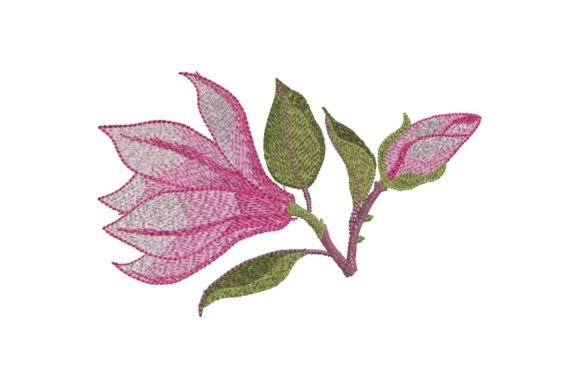
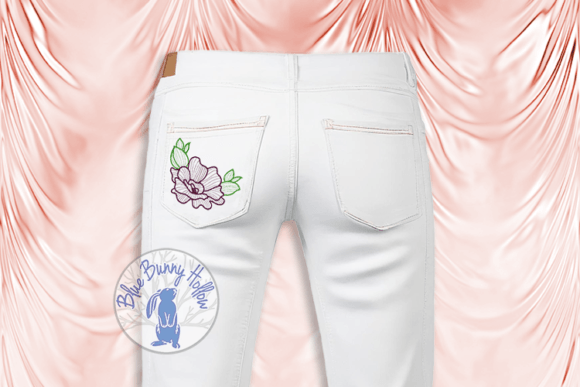
When I first pulled up the Flower Dark Pink file on my digitizing screen, I wasn’t looking for flashiness. As an experienced embroidery product reviewer and designer, I look for reliability. I need designs that translate well from digital preview to physical thread, especially when I am preparing orders for clients who expect perfection. This design, categorized under Single Flowers, caught my eye not because it was complex, but because of its balanced simplicity. It promises a playful touch with leaves that add sweetness without cluttering the fabric.
First Impressions and Visual Personality
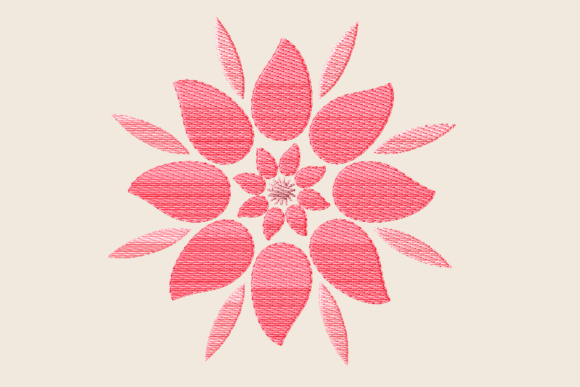
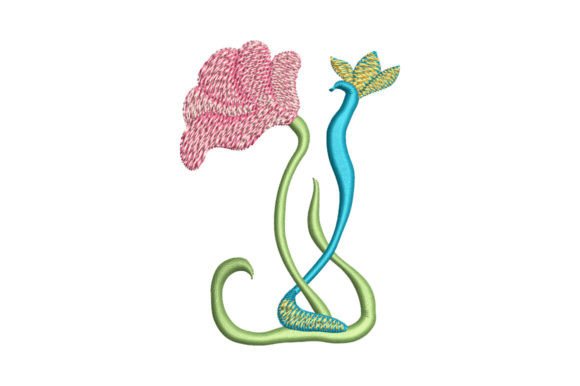
The mood of Flower Dark Pink is undeniably cheerful yet grounded. The dark pink hue suggests maturity beyond typical pastel baby colors, making it versatile. The single-striped structure implies a clean layout, which is crucial for maintaining stitching clarity. In my line of work, overly dense designs often cause puckering, while too-sparse designs look cheap. This design seems to hit a middle ground. The playful leaves provide visual weight, anchoring the flower so it doesn’t look like it is floating aimlessly on the garment.
For embroidery designers and Etsy sellers, visual personality matters. Customers scrolling through handmade products want something that feels intentional. This design feels like a thoughtful accent rather than an afterthought. It fits naturally into the Embroidery niche where subtlety often sells better than loudness.
Real-World Application: The Custom Tote Bag Test
To truly evaluate a machine embroidery design, you have to imagine it in action. I recently worked on a batch of custom canvas tote bags for a local boutique. They needed a design that was feminine but durable enough for daily use. Flower Dark Pink became my top candidate. Why? Because single-flower motifs scale beautifully on larger surfaces like tote bags without requiring excessive stitch time.
When stitched onto heavy cotton canvas, the design held its shape. The satin stitch elements likely used for the petals would provide a smooth, glossy finish that contrasts nicely with the matte texture of the fabric. For a handmade product intended for sale, this contrast adds perceived value. A customer touching the bag feels the raised texture of the thread, reinforcing the quality of the finished product.
Versatility Across Product Lines
Beyond tote bags, this design shines in several other categories. Consider sweatshirt embroidery. A dark pink flower on a heather grey or navy sweatshirt creates a sophisticated, collegiate vibe. It is small enough to place on the chest pocket area or large enough to dominate the back panel if scaled correctly. For baby embroidery, the playful leaves add that necessary touch of whimsy. However, I would advise caution with very small hoop sizes here. Ensure the details of the leaves do not become lost if the design is shrunk too much for a tiny onesie.
It also works well for holiday embroidery gifts. Think of a monogrammed pillow cover where this flower sits beside initials. It softens the look and makes the item feel more like a personalized gift and less like a generic store-bought item. For craft business owners, having a versatile asset like this in your library means you can quickly pivot between seasonal offerings without buying new files constantly.
Technical Considerations for Stitching Success
While the aesthetic is strong, practical execution requires attention to detail. Here is how I approach stitching Flower Dark Pink to ensure professional results.
- Fabric Texture and Stabilizer: Always test on scrap fabric first. For stretchy fabrics like jersey knits used in t-shirts, a cut-away stabilizer is non-negotiable to prevent distortion. For woven fabrics like linen aprons, a tear-away might suffice, but check the stitch density. If the design is dense, you risk perforating delicate fabrics.
- Thread Color Contrast: The name specifies dark pink, but thread brands vary. Test your specific thread against your fabric. On dark fabrics, you may need an underlay stitch or a lighter backing to make the pink pop. On white fabric, ensure the pink isn’t too sheer.
- Hoop Size and Placement: Confirm the recommended hoop size before starting. If you are working on curved surfaces like caps, use a cap frame and ensure the design isn’t too wide, which could cause wrapping issues around the curve.
- Stitch Types: Expect a mix of satin stitch for outlines and fill stitch for larger petal areas. Running stitches may be used for fine leaf veins. Check your machine’s tension settings to ensure satin stitches lie flat and don’t gap.
Where to Use Caution
No design is perfect for every scenario. I would hesitate to use Flower Dark Pink on extremely thin, slippery fabrics like chiffon without extensive stabilization and experience. The playful leaves, if too detailed, might snag or pull if the fabric shifts. Also, avoid placing it in areas subject to high friction, such as the inner elbow of a child’s sleeve, unless you reinforce the back with interfacing.
For embroidered patch creation, ensure the design has a clear border or that you plan to merrow edge the patch. Single flowers can sometimes look unfinished if the edges aren’t cleanly defined by the digitizing.
Boosting Brand Consistency and Customer Trust
For small shop owners, consistency is key. Using a cohesive set of designs helps build brand recognition. Flower Dark Pink fits well into a broader collection of floral assets. When customers see this level of detail in your printable mockup or social media previews, they trust that the physical item will match. High-quality design assets elevate your entire storefront.
Moreover, using reliable files reduces waste. Fewer re-stitches mean higher profit margins for your small shop product lines. Whether you are selling custom apparel or digital files, the professionalism of the output reflects directly on your reputation.
Final Verdict for Designers and Makers
Flower Dark Pink is a solid addition to any embroiderer’s library. It balances charm with technical feasibility. It is not just a pretty picture; it is a functional design element that enhances commercial embroidery projects without demanding excessive machine time or complex troubleshooting.
Before committing to a large production run, always verify the specific file formats compatible with your machine. Check the license terms if you plan to sell finished items or redistribute the digital embroidery file. Most importantly, stitch it out. Feel the thread, check the back, and wash the test piece. If it holds up, you have found a reliable staple for your next embroidery project.
For those looking to expand their crafter portfolio, this design offers a safe yet stylish option. It appeals to a wide demographic, from parents buying baby clothes to adults seeking unique tote bag design accents. In the competitive world of handmade goods, having dependable, attractive designs like this is what separates hobbyists from successful entrepreneurs.