Auntie Flower Embroidery: A Designer’s Craft Fair Review
As an embroidery designer who has spent countless weekends behind a booth table, I have learned that not every digital file translates into a best-selling physical product. When I first loaded the Auntie Flower Embroidery Design onto my machine, I was looking for more than just clean stitches; I was looking for a product that would stop shoppers in their tracks at a busy craft fair. This review breaks down how this specific design performs in the real world of handmade sales, focusing on practical application, visual appeal, and production efficiency for small shop owners.
First Impressions: Mood and Market Fit
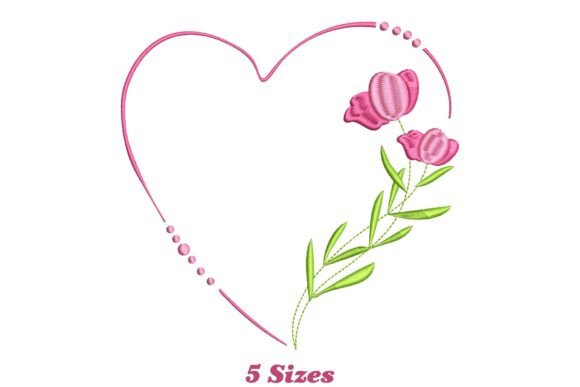
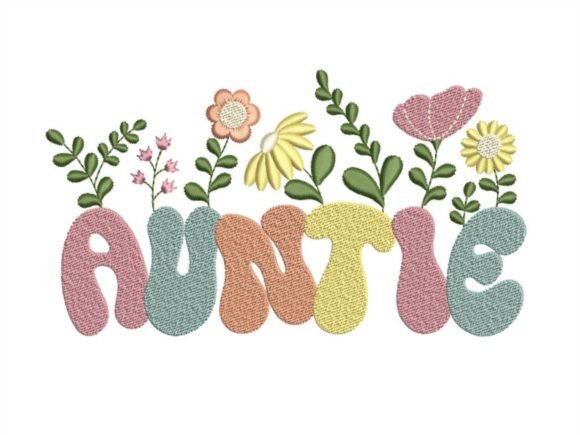
The title alone suggests warmth and familiarity, but the execution is what matters. Upon stitching out the test sample, the Auntie design presents itself as a blend of soft, decorative charm and modern simplicity. It does not feel overly rustic or strictly farmhouse; instead, it carries a versatile aesthetic that fits well within the current trend of personalized, giftable items. For Mother S Day preparations, this design hits a sweet spot. It is specific enough to feel personal yet broad enough to appeal to nieces, nephews, and siblings looking for a thoughtful gesture.
The floral elements provide a natural frame that softens the text, making it suitable for a wide demographic. It feels premium without being intimidatingly complex. For an Etsy seller or boutique maker, this balance is crucial. You want a design that looks expensive but is efficient to produce. The visual weight of the flowers complements the word "Auntie" without overpowering it, creating a cohesive unit that reads clearly from a distance.
Product Application and Versatility
The true test of any machine embroidery design is its adaptability across different substrates. Here is how Auntie performs on various popular craft fair products:
- Tote Bags: This is arguably the strongest application. A canvas tote with this design centered becomes an instant tote bag design staple. The flat surface allows the stitch definition to shine, and the size is perfect for a standard 5x7 or 6x10 hoop. It transforms a basic utility item into a cherished handmade product.
- Aprons and Tea Towels: For kitchen-themed booths, apron embroidery adds significant value. Placing the design on the bib of an apron or the corner of a linen towel creates a lovely gift set. However, pay attention to the fabric texture. On waffle-weave towels, ensure your stabilizer is robust enough to prevent sinking.
- Caps and Hats: Stitching on curved surfaces requires caution. If the floral details are dense, they may pucker on a unstructured cap. I recommend testing this as a smaller accent on the side or back rather than a large front focal point, unless you are using a stiff buckram.
- Embroidered Patches: Creating iron-on patches is a fantastic way to utilize this digital embroidery file. It allows customers to customize their own jackets or bags later, expanding your market reach beyond finished goods.
Production Practicality for Small Shops
For those of us running small shop product lines, time is money. The Auntie design appears to be optimized for batch production. The stitch path seems logical, minimizing unnecessary jumps and trims. This efficiency is vital when you need to produce twenty tote bags before a weekend market.
Photography is another critical factor. This design photographs beautifully because of its clear contrast between the thread and typical fabric backgrounds. Whether you are creating a printable mockup for your online store or taking photos for Instagram, the distinct floral shapes and legible text ensure the product looks professional in design assets and listings. It avoids the muddy appearance that plagues overly complex designs when viewed on small mobile screens.
Technical Considerations and Careful Use
While the design is user-friendly, there are technical nuances to consider before committing to full-scale commercial embroidery. Always check the stitch density in your software. If the flower petals are too densely packed, they can cause perforation in lightweight fabrics like voile or thin cotton dresses. Conversely, if the density is too low, the fabric might show through, ruining the premium look.
Pay close attention to small lettering. If you scale the design down significantly for a small pouch or baby item, ensure the word "Auntie" remains legible. Tiny serifs or intricate connections can break or merge during stitching. I strongly advise doing a test run on scrap fabric that matches your final product material. Check your thread colors against your fabric choices. High-contrast combinations, such as cream thread on navy denim, often sell better than low-contrast pairings which can look washed out in person.
Stabilizer choice is non-negotiable. For stretchy fabrics like jersey dresses or thick textured materials like terry cloth towels, the wrong stabilizer will lead to distortion. Use a cut-away stabilizer for garments that will be washed frequently, and a tear-away for stable woven fabrics like tote bags. Always confirm the recommended hoop size provided with the file to ensure the design fits your equipment without resizing, which can alter stitch quality.
Boosting Brand Consistency and Sales
Incorporating Auntie into your lineup strengthens brand consistency if your shop focuses on familial bonds and personalized gifts. It signals to buyers that you offer curated, thoughtful items rather than generic mass-produced goods. At a craft fair, this design serves as a strong conversation starter. Shoppers often linger at booths where they can see themselves or their loved ones represented in the art.
To maximize engagement, display the finished product in lifestyle settings. Hang the embroidered tote on a hook with fresh flowers inside, or fold the tea towel neatly next to a matching jar of homemade jam. These visual cues help customers imagine the item in their own homes, increasing the perceived value.
Before listing this as a craft fair product or uploading it to your digital store, verify the licensing terms. Ensure the embroidery file comes with commercial use rights if you plan to sell physical items. If the description mentions it is for personal use only, you must contact the creator for an extended license. Never assume; always read the fine print to protect your business.
In conclusion, the Auntie Flower Embroidery Design is a robust contender for spring and holiday markets. It balances aesthetic appeal with production practicality, making it a reliable asset for embroidery business owners. By paying attention to fabric choice, stabilizer support, and strategic placement, you can turn this digital file into a high-margin, best-selling item that resonates with customers looking for meaningful, handmade connections.