Reviewing Check Engine: A Craft Fair Best-Seller
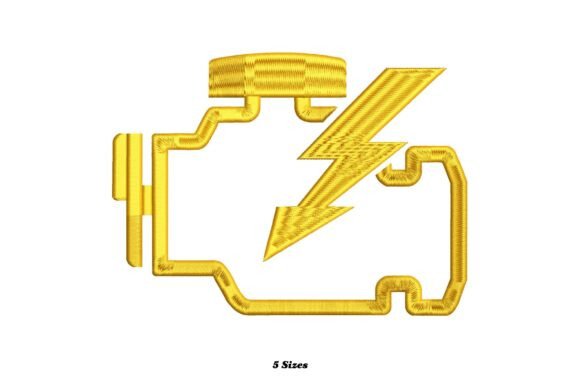
As an embroidery designer who has spent countless weekends behind a booth table, I know that not every design translates from the screen to the sales floor. When I first loaded the Check Engine machine embroidery design into my software, I was looking for more than just clean stitches. I was looking for a conversation starter. In the world of handmade markets, you have seconds to catch a passerby’s eye. This design, categorized under Work and Embroidery, promises a playful twist on a universally recognized symbol. Let’s break down whether this whimsical touch truly delivers value for Etsy sellers, boutique makers, and craft fair veterans.
First Impressions and Visual Appeal
The immediate vibe of Check Engine is charming and slightly humorous. It does not take itself too seriously, which is exactly what modern consumers are looking for in home decor and wearable art. It feels less like industrial warning signage and more like a witty nod to the chaos of daily life. For a craft fair product, this emotional connection is vital. It is bold enough to be seen from three feet away but cute enough to invite a closer look. The design balances minimalism with decorative flair, making it versatile for various aesthetics, from rustic farmhouse kitchens to modern urban apartments.
When evaluating the visual weight, the design serves as an excellent focal point. It is not so dense that it overwhelms the fabric, nor so sparse that it looks unfinished. This balance is crucial for maintaining the perceived quality of a handmade product. Customers often equate stitch complexity with value, but they also appreciate cleanliness. Check Engine strikes that sweet spot, offering a premium look without excessive bulk.
Product Versatility for Market Sellers
One of the strongest assets of this digital embroidery file is its adaptability. As a seller, you need designs that can populate multiple product lines without requiring extensive redesign work. Here is how Check Engine performs across common inventory items:
- Tote Bags: This is arguably the best application. A canvas tote with this design becomes an instant tote bag design staple. It appeals to students, teachers, and anyone who appreciates automotive humor or general life metaphors. The flat surface of a tote allows the design to lay perfectly, ensuring high visibility.
- Aprons and Kitchen Textiles: For the culinary crowd, apron embroidery featuring this motif adds personality to the kitchen. It pairs beautifully with tea towel embroidery sets, creating a cohesive gift bundle. The whimsical nature fits well in a space where people want to feel relaxed and entertained.
- Embroidered Patches: If you sell accessories, turning this into an embroidered patch is a smart move. Patches are low-commitment purchases for customers and allow them to customize their own jackets or bags. Ensure your hoop size accommodates the patch backing properly.
- Caps and Headwear: Stitching on curved surfaces requires caution. While the design is playful, ensure the width fits standard cap fronts without distortion. It works best as a small accent rather than a massive centerpiece on headwear.
Production Practicality and Batch Efficiency
For small shop owners, time is money. A design that sells well but takes twenty minutes to hoop and stitch is a bottleneck. Check Engine appears designed for efficiency. The description suggests it is perfect for stitching on various items, implying a moderate stitch count that does not drag down production speed. This makes it ideal for batch production during the busy holiday season or before a major craft fair.
Photography is another critical factor. This design photographs exceptionally well because of its clear lines and recognizable shape. Whether you are creating a printable mockup for your online store or taking photos for Instagram, the contrast tends to pop against both light and dark fabrics. This visual clarity helps boost engagement for Etsy sellers who rely on thumbnail images to drive clicks.
Careful-Use Notes and Technical Considerations
While the design is robust, no commercial embroidery asset is foolproof. There are specific scenarios where you must exercise caution to maintain quality:
- Fabric Texture: Highly textured towels can sometimes swallow smaller details. If you are using thick terry cloth, consider using a cutaway stabilizer to prevent puckering and ensure the design remains crisp.
- Dense Stitch Areas: Always check the stitch density in your software. If certain areas are too dense for lightweight fabrics like thin cotton t-shirts, you may need to adjust tension or use a tear-away stabilizer to avoid stiffness.
- Thread Colors: The charm of this design relies on contrast. On dark fabrics, ensure you use bright, vibrant thread colors. On light fabrics, darker threads will make the "engine" motif stand out. Avoid low-contrast combinations that make the design look muddy from a distance.
- Small Lettering or Details: If the design includes any text or tiny mechanical details, test it at the smallest intended size. Details can merge if stitched too small on coarse weaves.
Designer Tips for Maximum Impact
Before you list this as a finished product or include it in your design assets library, follow these professional steps. First, always test the design on scrap fabric that matches your final product material. Do not assume that what looks good on muslin will look the same on denim or silk. Second, verify the hoop size requirements. Knowing whether you need a 4x4 or 5x7 hoop helps you plan your workflow and machine selection.
Third, create at least one real physical mockup. Digital renderings are helpful, but holding the actual item helps you judge the hand-feel and drape. Finally, confirm the licensing terms. Since this is a digital embroidery file, ensure you have the rights to sell the finished product commercially. Most designers allow this, but it is essential to read the specific license included with your purchase.
In conclusion, Check Engine is a strong contender for any embroidery business looking to add humor and charm to their lineup. It bridges the gap between novelty and quality, making it a reliable choice for tote bags, home decor, and gifts. By paying attention to fabric choice and stabilizer selection, you can turn this playful design into a consistent revenue stream for your handmade shop.