Reviewing Construction: A Designer’s Take on Workwear Sweatshirt Embroidery
As an embroidery designer who has spent years refining digitizing techniques for small boutique brands, I approach every new machine embroidery design with a critical eye. It is not just about whether the file runs smoothly; it is about how the final stitched product communicates brand identity. Recently, I had the opportunity to test the Construction design for a limited-edition sweatshirt drop aimed at a modern, industrial-chic audience. This review breaks down my experience using this Work Embroidery Design and evaluates its potential for elevating your custom apparel lineup.
First Impressions: Mood and Aesthetic Appeal
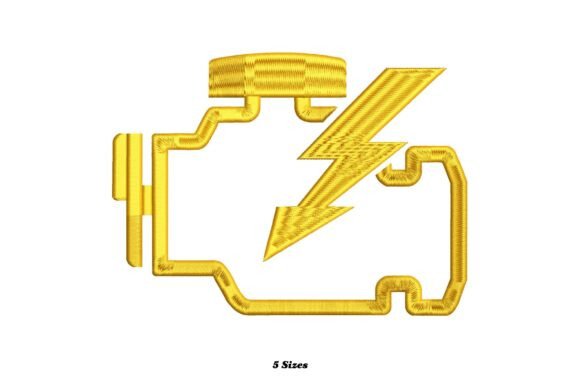
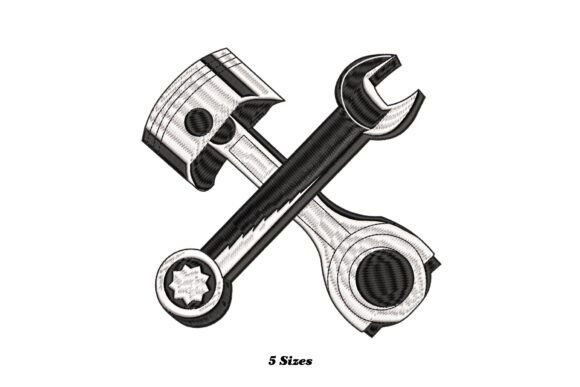
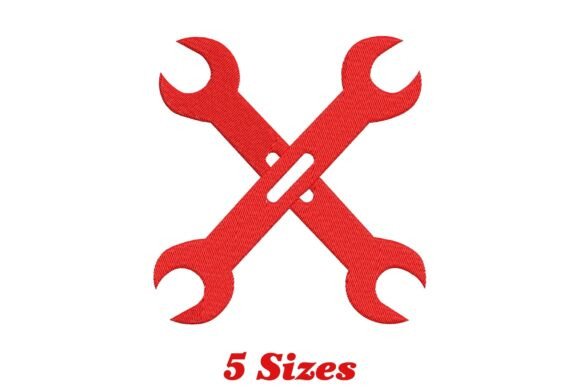
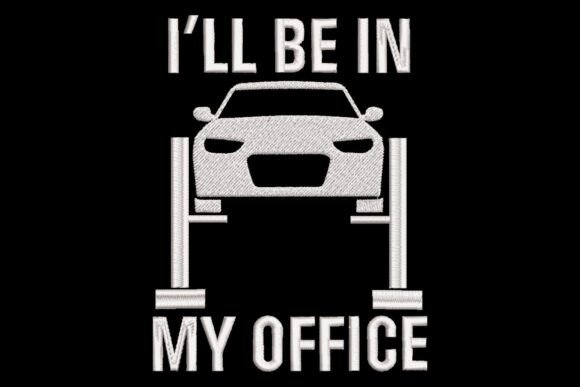
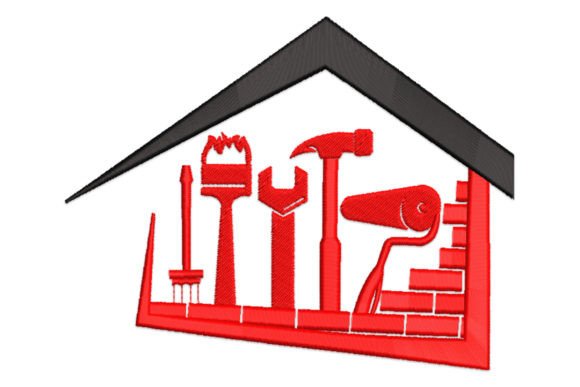
The moment I loaded the digital embroidery file into my software, the layout of Construction stood out. It does not scream for attention with chaotic details; instead, it offers a balanced composition that feels both sturdy and stylish. The inclusion of Tools Embroidery elements suggests a narrative of craftsmanship and durability, which aligns perfectly with current trends in streetwear and utility fashion.
For a boutique brand, the mood of a design is everything. Construction leans towards a rustic yet minimal aesthetic. It is bold enough to be recognized from a distance but detailed enough to reward close inspection. When I visualized this on neutral sweatshirts—think heather grey, oatmeal, or charcoal—the design popped with a sophisticated contrast. On darker fabrics, such as navy or black, the design requires careful selection of thread colors to ensure visibility, but when executed correctly, it exudes a premium, high-end feel. Conversely, on pastel colors, the design takes on a softer, more playful character, making it versatile for diverse seasonal collections.
Placement Strategy for Sweatshirts and Hoodies
One of the most exciting aspects of working with Construction is its versatility in placement. For this specific project, I tested three distinct applications to see how the design interacted with different garment structures.
- Chest Placement: On a standard crewneck, placing the design on the left chest creates a subtle, professional look. It mimics the branding seen on high-end workwear, lending immediate credibility to the handmade product.
- Oversized Hoodie Back: For our oversized hoodie line, I scaled the design up for a central back placement. Here, the stitch density plays a crucial role. The design holds its shape well without becoming too stiff, allowing the heavy fabric of the hoodie to drape naturally.
- Sleeve Accents: A smaller version of the design on the sleeve adds a unique touch that customers love. It transforms a basic garment into a statement piece, increasing the perceived value of the small shop product.
When preparing these placements, I always recommend creating a printable mockup first. This helps visualize the scale and ensures the hoop size you select will accommodate the design without distorting the garment seams. For Etsy sellers and online retailers, these mockups are essential assets for listing images, helping buyers imagine the finished product before purchasing.
Technical Considerations for Commercial Success
While the aesthetic appeal of Construction is strong, the technical execution determines whether it survives the rigors of daily wear. As a designer, I always scrutinize stitch density and underlay stability. This design appears to be optimized for medium-weight fabrics, which makes it ideal for sweatshirts and hoodies. However, if you plan to sew it onto thinner materials or wall art, you must adjust your stabilizer choice accordingly.
For thick fleece or terry cloth, a cut-away stabilizer is non-negotiable to prevent puckering. The fabric texture of sweatshirts can sometimes swallow fine details, so I paid close attention to the readability of the smaller tool elements in the design. At smaller sizes, some intricate parts might merge, so I advise testing a sample run at your intended scale. If the details become muddy, consider simplifying the thread palette or increasing the size slightly.
Another critical factor is washing durability. Since this is marketed as a Work Embroidery Design, it implies resilience. The stitching pattern in Construction seems robust, with secure tie-offs that should withstand multiple wash cycles without fraying. This durability is a key selling point for customers looking for long-lasting commercial embroidery quality in their wardrobe.
Enhancing Brand Identity and Customer Trust
In the competitive world of online retail, visual recognition is currency. Using a cohesive design like Construction across your product line helps build a strong brand identity. Whether you are an Etsy seller or running a standalone boutique brand, consistent use of high-quality design assets signals professionalism. Customers associate well-executed embroidery with higher value, which can justify a premium price point.
Moreover, the theme of "construction" and "tools" resonates with a demographic that values authenticity and hard work. By incorporating this machine embroidery design into your collection, you are not just selling a sweatshirt; you are selling a lifestyle. This emotional connection drives customer engagement and loyalty. When buyers see the precision and care in the stitching, their trust in your brand deepens.
Final Verdict and Production Tips
Overall, Construction is a versatile and visually compelling addition to any embroidery library. It bridges the gap between rugged utility and modern fashion, making it suitable for a wide range of applications from working equipment to cozy seasonal apparel. However, before you begin production, there are a few logistical details to verify. The product description notes that this machine embroidery design comes with multiple embroidery files, but it does not specify the exact formats, hoop sizes, or stitch counts.
As a best practice, always check these technical specifications against your machine’s capabilities. Ensure you have the correct embroidery file format for your software (such as PES, DST, or JEF) and confirm that the design fits within your available hoop dimensions. Additionally, review the license terms to ensure they cover your intended commercial use, especially if you are producing items for sale.
By paying attention to these details and leveraging the strong visual impact of Construction, you can create standout pieces that elevate your brand. Whether you are decorating hoodies, creating wall art, or launching a new line of custom apparel, this design offers the flexibility and quality needed to succeed in today’s market. Embrace the creative possibilities, test your stitches, and let your handmade product speak volumes about your craftsmanship.