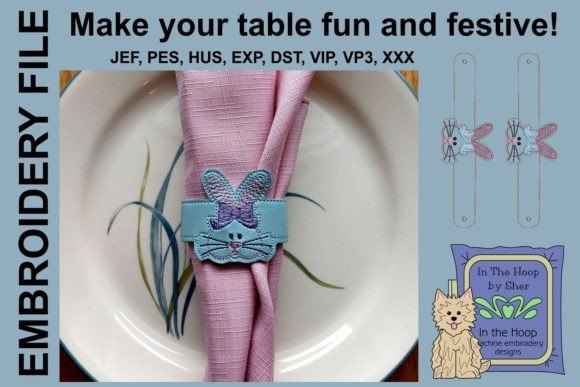
Easter Bunny Napkin Rings: A Craft Fair Designer’s Review
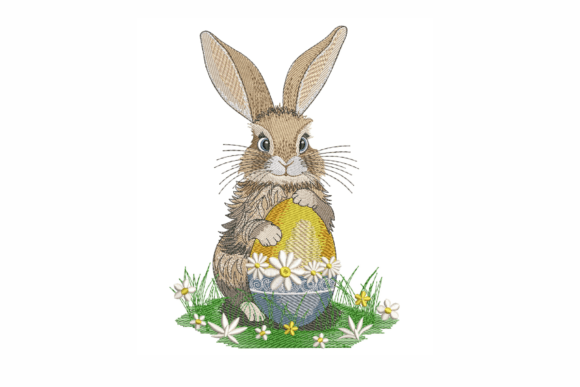
As an embroidery designer who has spent countless weekends behind a booth table, I look at every new machine embroidery design through a very specific lens. It is not just about whether the stitching looks pretty on my screen; it is about whether the item will stop a shopper in their tracks, survive the rigors of a busy market day, and ultimately convert into sales. When I first pulled up the files for Easter Bunny Napkin Rings, my initial reaction was one of practical excitement. This is not just another decorative motif; it is a functional, giftable craft fair product that solves a common problem for handmade sellers: creating high-value, low-time-investment items.
First Impressions and Market Appeal
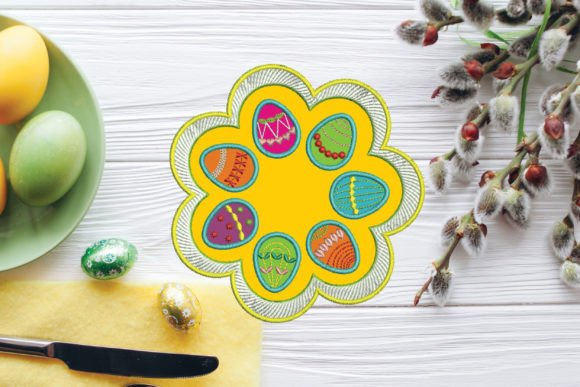
The concept behind these napkin rings is immediately clear. They are designed to be quick makes, fitting two units into a single 5x7 inch hoop. For anyone running a small shop or preparing for a seasonal rush, efficiency is currency. The aesthetic leans heavily into the cute and festive side of Easter, but because they are functional home decor, they avoid feeling like disposable holiday clutter. The fact that they snap closed is a major selling point. Customers love items that store flat, and this feature adds a layer of perceived quality and thoughtfulness to the finished product.
In a booth display filled with larger items like embroidered tote bags and aprons, these rings serve as perfect impulse buys. They are small enough to be affordable for browsers who might not be ready to commit to a fifty-dollar pillow cover, yet they feel substantial and well-made. The design allows you to create a cohesive Etsy seller collection where customers can mix and match items, increasing your average order value.
Versatility Beyond the Table Setting
While the primary use is obvious, I always encourage designers to think outside the box. These rings are not limited to fabric napkins. As the description notes, if you move the snaps closer together, they can secure paper napkins, making them versatile for different hosting styles. But let us look further. Could these be adapted? Perhaps not directly, but the design elements within the bunny motif could certainly inspire complementary tote bag design accents or apron embroidery pockets.
For those looking to expand their commercial embroidery offerings, consider bundling these with other kitchen textiles. A set of two napkin rings paired with a matching tea towel embroidery piece creates a ready-to-gift package. This strategy works exceptionally well for boutique makers who want to offer curated sets rather than single items. The visual appeal of the bunny motif, when executed with careful thread choices, adds a touch of whimsy that appeals to both children and adults who appreciate farmhouse or modern rustic decor.
Production Practicalities and Stitch Quality
When reviewing any digital embroidery file, I pay close attention to stitch density and layout. Since these rings are small and need to maintain structural integrity, the density must be balanced. Too dense, and the fabric may pucker or become stiff; too loose, and the shape may not hold up to repeated snapping and unsnapping. Because they are designed for a 5x7 inch hoop, you have a decent amount of workspace, but you must ensure the placement of the snaps does not interfere with the embroidery area.
I recommend testing the design on scrap fabric that matches the weight of your final material. If you are using thick terry cloth for a luxurious feel, you may need a heavier cut-away stabilizer to prevent distortion. Conversely, if you are using crisp cotton for a more formal look, a tear-away might suffice, but always test first. The key to a premium handmade product is consistency. Ensure that your thread colors provide enough contrast against the fabric so the bunny details do not get lost. Pastel threads on white fabric can look elegant, but they may lack visibility from a distance in a busy craft fair environment.
Visual Appeal and Booth Display Strategy
How does this item perform visually? In person, the texture of the embroidery adds depth that prints cannot match. To maximize buyer engagement, display these rings on actual napkins, preferably in contrasting colors to make the design pop. Do not leave them lying flat in a bin; hang them or stand them up to show their three-dimensional nature. This helps customers visualize how they will look in their own homes.
For online listings, a printable mockup is useful for initial drafts, but nothing beats real photos. Photograph the rings in natural light, perhaps alongside spring flowers or pastel eggs, to reinforce the seasonal theme. Highlight the snap mechanism in your images to emphasize functionality. Remember, customers buying a small shop product are often looking for unique touches that mass-produced items lack. The handmade quality of the stitching is your biggest asset here.
Careful-Use Notes for Designers
There are a few pitfalls to avoid. First, be mindful of tiny details. If the bunny design includes very small facial features or intricate ears, ensure they stitch out cleanly at the size you intend to produce. Dense stitch areas can sometimes cause thread breaks or needle heat, so monitor your machine during the first few runs. Also, consider the fabric texture. Highly textured fabrics like heavy linen or waffle weave may obscure fine details, so choose smoother fabrics for the best clarity.
If you plan to sell these as part of a larger collection, ensure brand consistency. Use the same palette of thread colors across your design assets to create a recognizable look. Whether you are selling the physical rings or the embroidery file itself, clarity is key. If selling the digital file, provide clear instructions on hoop size and stabilizer recommendations. If selling the physical item, ensure your licensing allows for commercial use of the design.
Final Verdict for the Seasonal Seller
The Easter Bunny Napkin Rings are a strong contender for any spring inventory. They are quick to produce, easy to understand, and highly giftable. They fit seamlessly into a broader range of products, from kitchen textiles to holiday decor. By focusing on high-quality materials, precise stitching, and thoughtful presentation, you can turn this simple design into a standout item in your booth. Always check the specific license terms before selling, and never skip the test stitch. With the right execution, these rings can become a staple in your seasonal offerings, driving both foot traffic and online clicks.