Deer Head: A Designer’s Review for Craft Fair Success
As an embroidery designer who has spent countless weekends behind a booth table, I know that not every design translates from the screen to the sales floor. When I first loaded the Deer Head machine embroidery design into my software, I was looking for more than just aesthetic appeal. I was evaluating its potential as a high-converting craft fair product. In the competitive world of handmade goods, especially within the Woodland Animals niche, a design must do heavy lifting. It needs to catch the eye of a passing shopper, hold up under close inspection, and be efficient enough to produce in batches.
The Deer Head embroidery file promises versatility, claiming to offer endless possibilities for upgrading fabric items. After putting it through its paces on various textiles, I can confirm that this design strikes a delicate balance between rustic charm and modern minimalism. It does not scream for attention with excessive detail; instead, it invites curiosity. This subtlety is crucial for today’s Etsy seller and boutique maker who wants to create products that feel premium rather than cluttered.
First Impressions and Visual Appeal
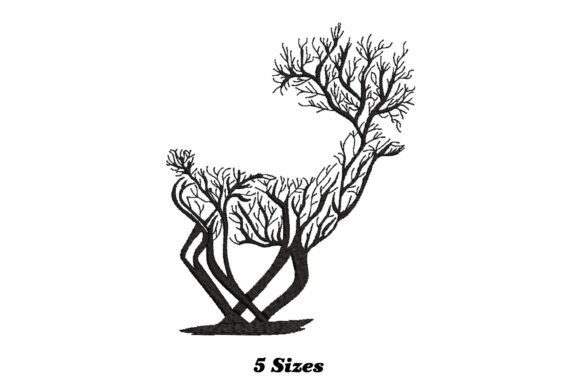
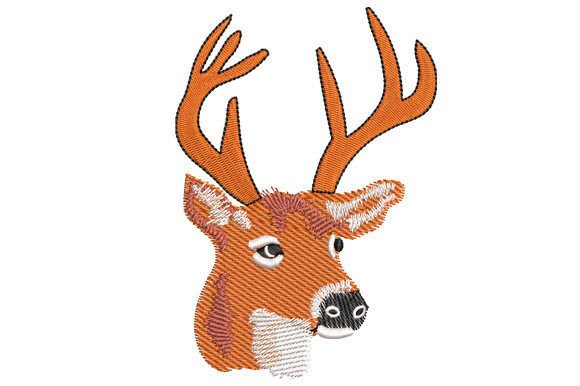
The immediate impression of the Deer Head is one of elegant simplicity. It avoids the cartoonish tropes often found in generic woodland motifs, opting instead for a cleaner silhouette that feels both farmhouse and contemporary. For a craft fair booth, this is a significant advantage. Shoppers are drawn to designs that look intentional and sophisticated. When placed on a neutral-toned tote bag or a crisp linen apron, the design acts as a focal point without overwhelming the base material.
This visual clarity is essential for small shop products. When a customer walks by your table, they have only seconds to decide whether to stop. A bold, recognizable shape like a deer head registers quickly. It communicates a theme—nature, tranquility, outdoors—without requiring explanation. This instant recognition helps in creating a cohesive brand identity, whether you are selling embroidered patches or full-sized pillow covers.
Product Versatility and Market Fit
One of the strongest assets of this digital embroidery file is its adaptability. I tested the Deer Head across several common handmade product categories to see where it performed best.
- Tote Bag Design: On canvas totes, the design stands out beautifully. The sturdy fabric provides a stable surface, allowing the stitches to lay flat. It transforms a basic utility item into a stylish accessory perfect for farmers' market runs.
- Apron Embroidery: For kitchenware, the deer motif adds a touch of warmth. It works well on bib aprons, positioned centrally or slightly off-center for a modern look. It appeals to buyers looking for giftable handmade items for housewarmings.
- Tea Towel Embroidery: This is where caution is needed. While the design is lovely, tea towels often have a loose weave. The Deer Head requires careful stabilizer selection to prevent puckering. However, when done correctly, it elevates a simple towel into a decorative piece.
- Embroidered Patch: As a patch, the design shines. It is compact enough to fit on denim jackets, backpacks, or hats. Patches are excellent low-cost entry points for customers who want a taste of your brand without committing to a larger item.
For those creating printable mockup listings for their online stores, this design photographs exceptionally well. Its clean lines do not get lost in shadow, making it ideal for digital marketing assets. Whether you are an Etsy seller optimizing your SEO or a creative entrepreneur building a portfolio, the Deer Head provides consistent visual branding across different mediums.
Production Practicalities for the Busy Maker
From a production standpoint, efficiency is key. A craft fair product must be repeatable. I found that the Deer Head is relatively quick to stitch, which is vital for batch production. However, there are technical considerations every embroidery business owner should note before scaling up.
First, consider the stitch density. If the design feels too dense on lighter fabrics, it may cause stiffness or distortion. Always test on scrap fabric first. I recommend using a cut-away stabilizer for stretchy materials like t-shirts and a tear-away for stable wovens like cotton twill. The right stabilizer ensures that the finished product maintains its shape and professional quality.
Thread colors play a massive role in the final outcome. While the design looks striking in traditional browns and tans, do not be afraid to experiment. A monochromatic white-on-white stitch on a cream pillow cover creates a subtle, textured look that appeals to minimalist buyers. Conversely, high-contrast thread colors can make the design pop on dark fabric, though you must ensure the underlying fabric does not show through the stitches.
Navigating Challenges and Careful Use
No design is without its challenges. When applying the Deer Head to curved surfaces like caps, placement is critical. The center of the cap is the safest zone, but you must account for the curvature to avoid distortion. Additionally, if the design includes any tiny details or fine lines, these may get lost on textured towels or thick fleece. Always inspect the design at the actual hoop size you intend to use. If the design is too small, intricate areas may merge, losing clarity.
For those new to commercial embroidery, remember that licensing matters. Before selling finished products featuring this design, confirm the commercial licensing terms provided with the digital embroidery file. Most designers allow physical sales but restrict sharing the file itself. Ensuring you are compliant protects your small business and respects the creator’s work.
Final Verdict for Handmade Sellers
The Deer Head is a strong contender for any embroidery designer’s library. It offers the flexibility needed for a diverse product line, from market bags to decorative home goods. Its strength lies in its ability to convey a rustic yet refined aesthetic that resonates with current trends. For the handmade shop owner, it represents a low-risk, high-reward addition to your catalog.
To maximize success, create at least one real mockup for your booth display. Seeing the design in person helps customers visualize it in their own homes. Compare fabric colors to find the combination that best highlights the stitch work. By paying attention to these details, you transform a simple embroidery file into a compelling craft fair product that drives buyer engagement and boosts sales. Express yourself with confidence, knowing that this design has the versatility to reflect individuality while maintaining the professional quality your customers expect.